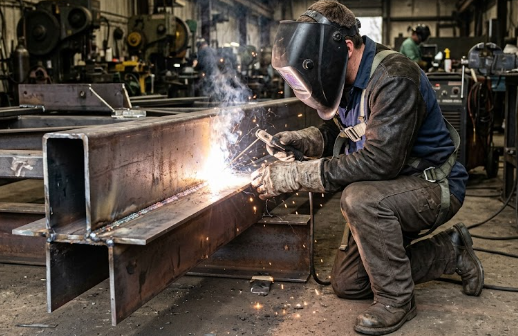
Welding is one of the most essential manufacturing and construction processes used across countless industries. From towering skyscrapers and bridges to vehicles, machinery, furniture, and decorative metalwork, welded joints provide the strength and durability needed to hold metal components together. While the finished product often receives the most attention, the welding process itself requires careful planning, skilled workmanship, and the proper techniques to achieve safe and reliable results.
Different projects call for different Welding Boise Idaho methods depending on the materials, thickness, and intended application. Understanding the welding process helps property owners, business owners, and anyone working with fabricated metal appreciate the precision and craftsmanship behind every successful weld.
What Is the Welding Process?
The welding process is a method of permanently joining two or more pieces of metal by applying heat, pressure, or a combination of both to create a strong bond. In many welding techniques, the base metals are heated until they melt, allowing them to fuse together as they cool and solidify. Some processes also use filler material to strengthen the joint and improve its structural integrity. The finished weld becomes part of the metal itself rather than acting as a separate fastener. This creates a durable connection capable of supporting heavy loads and long-term use.
Welding can be performed on many different metals, including steel, stainless steel, aluminum, and other specialized alloys. Each material has unique properties that influence the choice of welding technique, equipment, and filler materials. Factors such as thickness, strength requirements, corrosion resistance, and the final application all affect the overall welding procedure. Proper preparation and material selection contribute significantly to the quality of the finished weld. Every successful project begins with careful planning.
What Are the Main Steps in the Welding Process?
Every welding project begins with thorough preparation before any heat is applied. Metal surfaces must be cleaned to remove dirt, rust, paint, grease, and other contaminants that could weaken the weld. The pieces are then carefully measured, aligned, and secured to ensure they remain in the correct position throughout the welding process. Accurate preparation helps create stronger welds while minimizing the need for adjustments later. Careful setup establishes the foundation for quality workmanship.
Once preparation is complete, the welder performs the welding operation using the appropriate technique for the project. Heat is applied in a controlled manner to create a molten weld pool that joins the metal components together. After the weld is completed, the joint is allowed to cool naturally or under controlled conditions depending on the material and application. The finished weld is then cleaned and inspected to verify its appearance, strength, and overall quality. Inspection is an essential part of ensuring dependable results.
What Types of Welding Processes Are Commonly Used?
Several welding processes are commonly used because each offers advantages for specific materials and applications. Gas Metal Arc Welding, often called MIG welding, is widely used because it is efficient, versatile, and suitable for many fabrication projects. Gas Tungsten Arc Welding, commonly known as TIG welding, produces clean and highly precise welds that are often preferred for thinner materials or projects requiring exceptional appearance. Shielded Metal Arc Welding, frequently referred to as stick welding, remains popular for construction and outdoor applications due to its durability and adaptability. Choosing the correct process depends on the project’s unique requirements.
Other specialized welding methods are used in industrial manufacturing and large-scale production environments. Flux-cored arc welding is often selected for heavy fabrication because it performs well on thicker materials and in challenging conditions. Resistance welding is commonly used in automated manufacturing where speed and consistency are important. Additional processes may be selected for highly specialized industries that require unique material characteristics or production methods. Each welding process offers specific advantages depending on the application.
What Factors Affect Weld Quality?
High-quality welding depends on several important factors that work together throughout the fabrication process. Material preparation is one of the most critical because contaminants can weaken the weld and reduce its long-term performance. Proper fit-up between metal components also allows heat to distribute evenly while creating a stronger joint. Selecting the correct filler material, welding settings, and travel speed further contributes to a successful outcome. Every detail influences the finished result.
The skill and experience of the welder also play a major role in weld quality. Experienced welders understand how to adjust techniques based on material thickness, joint design, and environmental conditions. Maintaining consistent heat input and steady movement helps produce uniform welds with fewer imperfections. Regular inspection throughout the project helps identify potential issues before they become significant problems. Attention to detail supports both safety and durability.
Where Is the Welding Process Used?
The welding process is used in a wide variety of industries because strong metal connections are essential for countless products and structures. Construction projects rely on welding to assemble structural steel, staircases, railings, bridges, and building frameworks that must safely support heavy loads. Manufacturers use welding to produce machinery, equipment, storage systems, and industrial components that require dependable structural integrity. Reliable welding contributes to the strength and longevity of these products. Durable welds support safe everyday operation.
Residential and commercial fabrication projects also depend on welding to create gates, fences, decorative metalwork, furniture, balconies, handrails, and architectural features. Automotive manufacturers use welding extensively to assemble vehicle frames and body components, while agricultural equipment, marine applications, and transportation industries also rely on welded construction. The versatility of welding allows it to support both highly functional structures and decorative custom designs. Its broad range of applications makes it one of the most valuable fabrication processes available.
What Safety Practices Are Important During Welding?
Safety is a fundamental part of every welding project because the process involves intense heat, bright light, sparks, and molten metal. Appropriate protective equipment helps reduce the risk of burns, eye injuries, and other workplace hazards. Welding helmets with suitable lens protection, heat-resistant gloves, protective clothing, and sturdy footwear are commonly used to improve personal safety throughout the process. Proper protection allows welders to perform their work with greater confidence. Safe working habits remain essential at every stage.
Work areas should also be properly ventilated to reduce exposure to welding fumes while minimizing fire risks associated with sparks and hot materials. Flammable materials should be removed from the immediate work area whenever possible, and welding equipment should be inspected regularly to ensure safe operation. Following established safety procedures protects both workers and nearby personnel throughout the project. A strong commitment to safety supports successful and efficient fabrication.
Why Is Professional Welding Important?
Professional welding combines technical knowledge, practical experience, and precision craftsmanship to produce reliable results. Properly executed welds help ensure that fabricated components perform safely under daily use while meeting structural and aesthetic expectations. Skilled welders understand how to select the most appropriate welding process, prepare materials correctly, and maintain consistent quality throughout every stage of fabrication. Their expertise helps reduce costly errors while improving long-term durability. Quality workmanship creates stronger finished products.
Professional fabrication also emphasizes careful inspection and quality control before projects are completed. Welded joints are evaluated for strength, consistency, and overall appearance to confirm they meet project requirements. Investing in professional welding often leads to longer service life, fewer repairs, and greater confidence in the finished product. Reliable welding supports the performance of everything from decorative features to large structural systems. Precision craftsmanship provides lasting value.
Final Thoughts
The welding process is an essential part of modern fabrication, manufacturing, and construction because it creates strong, permanent connections that support countless everyday products and structures. From careful material preparation and selecting the appropriate welding technique to maintaining quality control and following proper safety practices, every step contributes to a successful outcome. Whether producing structural steel, architectural features, industrial equipment, or decorative metalwork, professional welding combines skill and precision to deliver dependable long-term performance. Understanding the welding process helps property owners and businesses appreciate the craftsmanship behind durable metal fabrication and the lasting value it provides.