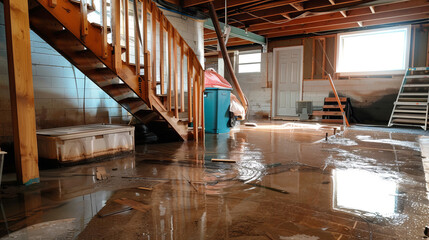
Water damage can cause serious problems, especially in basements, crawl spaces and attics. These areas are often the lowest points in your home, so floods can easily seep inside.
Water Damage Cleanup Salt Lake City begins with inspection and water mitigation. This includes identifying affected areas, determining water levels and developing a plan to restore the property. It also includes water extraction using powerful pumps and vacuums, drying with dehumidifiers, and cleaning and disinfecting.
Plumbing Issues
If your home’s basement or crawl space is experiencing water damage, it can impact the rest of the structure. This can lead to mold, wood rot, and structural damage. Professional water damage remediation services can identify the problem, repair it and provide permanent solutions that protect your investment.
When you discover water damage in your home, the most important thing is to act quickly. The longer moisture is present, the more damage it causes. Water damage restoration professionals use science-backed cleaning techniques to drain excess water and dehumidify the area. They can also install vapor barriers and other preventative measures to help keep moisture out of the crawl space.
The main sources of water damage in a crawl space include heavy rainfall pooling around the foundation, plumbing leaks, soil erosion from poor exterior drainage, groundwater flooding or vapor rising naturally through the soil. Left unchecked, crawl space moisture leads to mold growth, wood rot and insulation breakdown, and can contaminate the air that is circulated in living areas above. Zavza Seal can eliminate crawl space moisture problems and prevent future damage by waterproofing the area, removing and replacing damaged insulation, treating for mold, installing vapor barriers and correcting exterior drainage issues.
Crawl spaces are ideal environments for fungus and mold to grow. These spores can travel upward through the stack effect, causing them to contaminate bedrooms and living rooms. They may also cause health problems such as allergy-like symptoms, persistent musty odors and respiratory distress.
Mold and fungus in the crawl space can also cause wood and insulation rot, which poses structural risks for the home. When the rot spreads, it can affect the integrity of the floor joists and the crawl space walls. Eventually, the joists can collapse and cause major structural damage to the home.
It is essential to inspect the crawl space frequently, especially after rainstorms and during wet seasons. Regular inspections can identify the problem early and prevent it from deteriorating further. This will save homeowners money, prevent costly repairs, and minimize the potential for long-term damage to the home’s foundation and structure.
Foundation Cracks
Many homeowners are concerned about foundation cracks that can lead to water damage. However, some cracks can be a normal part of the settling process, while others can indicate serious structural problems that require professional repair. Taking early action when you see any signs of foundation problems is important.
Foundation cracks that are hairline in width and don’t appear to be spreading can typically be left alone as they are caused by the natural settling of concrete and pose no significant risk. This type of cracking can be observed in both block basements and poured concrete foundations and is often not a cause for concern.
Vertical cracks that run up or down the wall can also be caused by the weight of a house settling into the foundation and are not usually a major problem unless they are widening at the top or bottom of the wall. However, if they become wider and/or are wet or damp then they should be addressed immediately as they can provide a path for water to enter the home.
Diagonal cracks in a basement wall are more of a cause for alarm as they can indicate that the foundation is shifting which is a serious issue that requires professional repairs. These cracks can also allow groundwater to penetrate into the basement which causes water damage and can create a potential health and safety hazard for your family.
Stair-step cracks can occur in a block foundation and look like a set of stairs running along the mortar joints between blocks. This type of cracking is a sign that the soil has shifted underneath your foundation and is pushing up against it. This can be caused by poor grading of your yard, clogged gutters or soil erosion that may be carrying sand and gravel against the foundation.
Settlement cracks are a common occurrence in newer homes and are often the result of the home settling into its foundation after construction. This is a normal and natural process, but if it becomes severe it can lead to bowing walls that can be very dangerous.
Poor Ventilation
Crawl spaces and basements are the final traveling point of moisture that leaks anywhere inside your home. In addition, these areas can also receive water from outside through rising groundwater or the surface runoff of landscaping. Inadequate crawl space ventilation can also contribute to problems.
When warm air in living spaces rises through the attic and walls, it pulls moisture up with it. This air is often carrying mold spores, dust mite allergens, pest droppings, and other contaminants from the lower level of your home. This “stack effect” can introduce these pollutants into the indoor environment and cause health issues, such as allergies, asthma and rashes.
Moisture in crawl spaces can come from a variety of sources, including heavy rain, flooding, plumbing leaks and foundation cracks, high groundwater levels, and humid outdoor air seeping through vents or open doors. These factors may lead to damp insulation, rot, and mold. It is vital that crawl space moisture is managed properly to prevent damage and keep the indoor environment healthy and safe.
The traditional approach to managing crawl space moisture involves sealing the area and ventilating it. This strategy is often promoted by general contractors and echoed in building codes. However, recent research and industry experts are challenging the validity of this method. They are moving towards encapsulating the crawl space and promoting other effective strategies, such as sealing crawl space doors and vents, installing a plastic liner, insulating pipes, and using a dehumidifier to regulate the climate under the home.
Poor crawl space maintenance can also increase humidity levels in the house above, leading to condensation on windows and musty odors. It can also lead to high energy bills due to the HVAC system working overtime. This increased humidity also exacerbates allergy and respiratory problems by raising dust mite populations and pollen counts. This, in turn, can lead to the need for professional cleaning and decontamination. This can include the use of special tools and equipment, such as a hygrometer, and can be conducted by a certified mold inspector or crawl space specialist.
Moisture
Since water tends to flow downward, basements and crawl spaces are often the first point of moisture intrusion in a home. Basement leaks can be caused by a variety of factors, such as ruptured plumbing supply lines routed in the basement, or sewage backups that force water into the foundation and walls. When basements are chronically wet, the wood framing can absorb moisture, leading to a variety of problems including mold growth, weakened structural integrity, and visible water stains.
Crawl space leaks typically occur from outdoor moisture sources, such as heavy rain or a ruptured indoor pipe. Crawl spaces can also remain wet due to poor ventilation and evaporation that allows water to stagnate. This can lead to rotted wooden beams and foundation supports, as well as encourage mold growth and contribute to poor air quality in the rest of the house.
Moisture problems in crawl spaces can be more difficult to spot than those in basements or attics. However, there are still several clues that can signal a problem. Mold growth, sagging floor and ceiling joists, a musty odor, and deteriorating cellulose insulation are all indicators of high moisture levels. In some cases, you may be able to dry out a crawl space on your own by removing and replacing damaged drywall, sanitizing the area and running a dehumidifier.
In most situations, professional crawl space waterproofing and encapsulation is the best way to address moisture issues permanently. Zavza Seal specializes in both mold remediation and root-cause waterproofing, ensuring that any signs of mold are removed and the conditions that allowed it to grow are permanently corrected.
Moisture is a common problem in Long Island homes, but it can be especially destructive in the basement, crawl space, and attic. Without proper waterproofing, a little bit of water can quickly become major damage and expensive repairs. Contact us today to schedule a free on-site evaluation of your basement, crawl space, or attic. We can recommend the most effective waterproofing solutions to keep your home safe and comfortable for years to come!